
SEO is one of those terms that sounds simple at first but becomes confusing the deeper you go. Many people think SEO is just about keywords or ranking on Google. In reality, it’s much broader than that. SEO is made up of several different parts, and each one focuses on a specific area of how websites work, how users behave, and how search engines judge quality.
If you want SEO to work properly, you need to understand the different types of SEO and why each one exists. Skipping one usually weakens the others. Let’s go through them one by one, without making it sound like a textbook.
On-Page SEO
On-page SEO is the part you have the most control over. It includes everything you write or change directly on your website pages.
This covers page titles, headings, written content, internal links, and how keywords are used naturally. The mistake many people make is trying to “optimize” too much. Search engines don’t want keyword-stuffed pages anymore. They want clarity.
If a visitor lands on your page and instantly understands what it’s about, that’s good on-page SEO. If they feel confused or overwhelmed, it’s not.
Good on-page SEO feels normal when you read it. If it sounds robotic, it probably won’t perform well.
Off-Page SEO
Off-page SEO happens outside your website, which is why it’s harder to control. This type of SEO is mostly about trust.
Backlinks matter more than almost anything else in off-page SEO. When another website links to your content, it usually signals to search engines that your site is worth paying attention to. That said, not every link is a good one. Some barely make a difference, and links from low-quality sites can actually do more harm than good.
Off-page SEO is about more than just backlinks. It also includes things like people mentioning your brand online, building relationships with others in your industry, and creating content that people naturally want to talk about or share. Over time, these kinds of signals help search engines trust your site and recognize it as a credible source, not just another website trying to rank.
Technical SEO
A lot of beginners skip technical SEO, even though it plays a huge role in how a website performs. It’s the part of SEO that focuses on what’s happening behind the scenes how fast your pages load, whether the site works well on mobile, how clean and readable your URLs are, how secure the site is, and how easily search engines can move through it.
You can have great content, but if the website itself has problems, that content may never reach its full potential. Slow pages, broken links, or a messy structure make it harder for search engines to trust your site and show it in search results. Technical SEO doesn’t make a website popular on its own, but it makes sure everything runs smoothly so your content actually has a chance to be seen.
And usability matters a lot.
Think of it as maintenance. Not exciting, but necessary.
Local SEO
Local SEO is for businesses that depend on nearby customers. If your business serves a specific city or area, this type of SEO is not optional.
Local SEO helps your business appear when people search for services “near me” or in a specific location. Focus on making your business profiles shine, keeping your contact info exactly the same everywhere, and reaching out to happy customers for genuine reviews.
Search engines are built to help people, so they tend to favor local results. It makes more sense to suggest nearby places you can actually visit rather than just websites to browse.
E-Commerce SEO
SEO for online stores isn’t the same as SEO for blogs. It’s built to handle products, categories, and shoppers who are ready to buy, not just readers looking for information. Product pages need clear descriptions, honest details and original text. Copying content from manufacturers usually leads to poor rankings. Category pages also matter more than people think because they often rank for competitive searches. Navigation, filters, page speed and user experience all affect e-commerce SEO. Search engines can tell when shoppers are getting lost, so remember that great e-commerce SEO is really about serving people, not just chasing an algorithm.
Video SEO
Video SEO is basically the secret sauce that helps people actually find and watch your content. It applies both to search engines and video platforms.
Titles, descriptions, and thumbnails matter a lot. But what matters more is how people interact with the video. If viewers watch most of it and don’t leave immediately, that’s a strong quality signal. Video SEO doesn’t fix bad videos. It only helps good videos reach the right audience.
Image SEO
Image SEO is simple but often overlooked.
It includes naming image files properly, adding useful alt text, and compressing images so pages load faster. Large, unoptimized images slow websites down, and slow websites lose visitors.
Images can also appear in search results on their own, which means they can drive traffic without people ever reading your text.
International SEO
International SEO is meant for businesses that want to reach people in different countries or languages. It helps search engines figure out which version of a website should be shown to the right audience, so users don’t end up on the wrong page.
This also helps avoid issues like duplicate content. It’s important to understand that international SEO isn’t only about translating content. It also involves how your website is structured and set up so it can perform well in different regions.
Content needs to make sense culturally, not just linguistically.
Voice SEO
Voice SEO exists because people don’t speak the way they type.
The searches are usually full questions, not short keywords. Content that answers questions clearly and directly has a better chance of being picked up by voice assistants. This type of SEO is closely tied to natural language and conversational writing.
YouTube SEO
A lot of people think YouTube SEO is all about keywords, but that’s not really how it works anymore. YouTube cares more about what viewers do once they click.
If people watch most of your video, leave comments, or come back for another one, that sends a strong signal. Titles and descriptions still matter, but they won’t save a video if viewers lose interest right away. In the end, YouTube pushes content that people actually enjoy watching, not videos trying to game the system.
Social SEO
Social SEO is really just about sharing your content on social media and letting people come across it naturally. It doesn’t magically push your website higher on Google, but it does help people notice your brand and learn what you’re about.
When something gets shared or people start talking about it, more eyes see it. Some of those people click through, some remember your name, and some come back later. Over time, posts that do well on social media can also get noticed by bloggers or website owners, which can lead to real mentions or links. That kind of attention helps your SEO, even if it happens quietly in the background. Social SEO isn’t meant to replace regular SEO work. It just supports it by helping your content reach real people and build awareness in a more natural way.
Content SEO
Content SEO connects everything.
It’s about creating content that actually helps people, not just content that fills space. Search engines are very good at detecting low-value pages now.
Well-structured, useful content that stays relevant over time performs best. Updating old content is just as important as creating new content. Without strong content, SEO doesn’t last.
What is SEO Marketing?
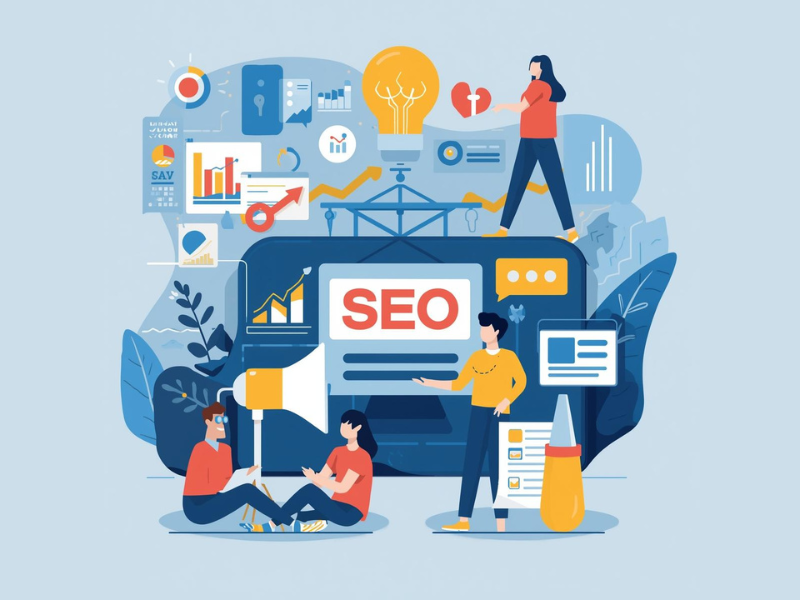
SEO marketing is the process of gaining traffic from search engines without paying for ads. It focuses on relevance, trust, and long-term growth. It takes time, but the results last longer than most paid strategies.
What is an SEO Strategy?
An SEO strategy is simply a plan for improving visibility over time. It includes research, content planning, technical fixes, and ongoing improvement. SEO strategies change. What worked two years ago may not work now.
FAQs
Does SEO still work?
Yes. Organic search is still one of the strongest traffic sources.
Which SEO type matters most?
Content and on-page SEO come first. Everything else builds on that.
Is SEO hard to learn?
It’s easier once you stop trying to “trick” search engines.
How long does SEO take to work?
SEO takes time. Most meaningful results appear after several months of consistent effort.
Can SEO help small businesses grow?
Yes, SEO is highly effective for small businesses, especially when combined with local SEO strategies.