
When I heard about SEO, I did not really know about it. It just sounded like another marketing word people kept throwing around. Everyone was talking about keywords, rankings, and all that stuff, but no one explained it in a way that made sense to me. It felt confusing, boring, and honestly not worth the effort to understand.
But over time, that changed. I realized SEO is not about trying to please search engines or follow some complicated rules. It is really about people how they search for things online, what they are looking for, and what helps them choose one thing over another. Once I saw it that way, SEO felt much simpler and a lot more human.
In everyday life, when we want to know something, we search for it. We do not wait for ads to tell us what to buy. We actively look for answers. This habit alone is why SEO has become such an important part of digital marketing. It quietly works in the background, connecting people with information when they actually want it. In this blog, I want to talk about SEO in a more natural way its benefits, why it matters, where it struggles, and how anyone can start without feeling lost.
What Are the Advantages of Using SEO?
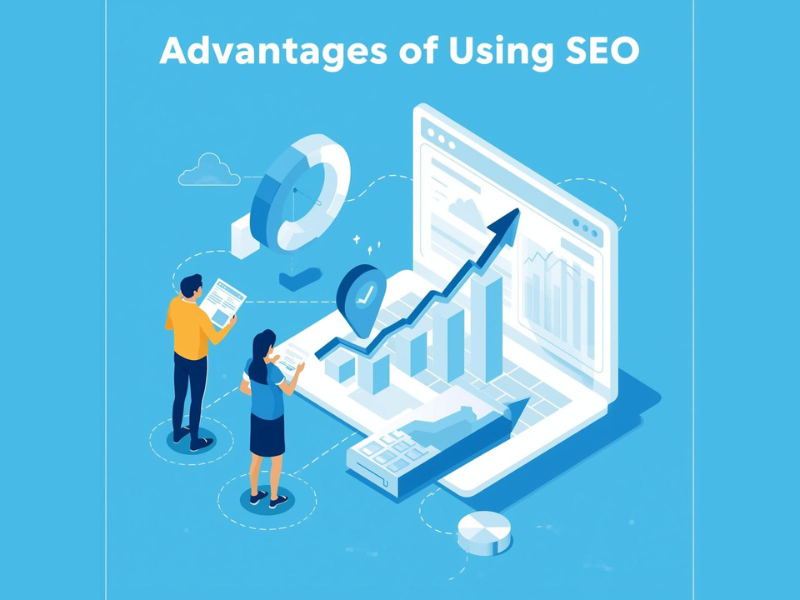
One of the first things I noticed about SEO is the kind of traffic it brings. People who arrive through search engines usually have a purpose. They are not just using for timepass. They are looking for something specific, whether it is information, a solution, or a product. Because of that, these visitors tend to be more focused and more engaged.
Another big benefit is how SEO saves money over time. Paid ads can be useful, but they feel like renting attention. The moment you stop paying for ads it’s like everything stops. SEO feels more like owning something. You put effort into creating good content, and that content keeps working for you. I have seen articles written months ago still bringing visitors today, without any extra cost.
SEO also helps build trust and this part is often underestimated. Many people know that when they are being targeted to see a advertisement. They skip ads without thinking twice. Organic search results feel different. When a website shows up naturally at the top, it feels earned. That alone makes users more willing to trust the information they find.
Another benefit is how SEO improves the overall quality of a website. When you work on SEO, you naturally improve page speed, readability, structure, and mobile usability. These changes make the site easier to use. Even if search engines did not exist, users would still benefit from these improvements. Over time, SEO also helps with brand familiarity. Seeing the same website appear again and again in search results creates recognition. People may not click the first time, but they remember the name. That familiarity slowly turns into trust.
What Is SEO and Why Is It Important?
SEO is simply the practice of making a website easier to find and easier to understand. It involves choosing the right topics, writing content that actually helps people and organizing everything in a way that makes sense.
SEO matters because searching has become second nature. Whenever I need an answer, I search. Whenever I want to compare options, I search. Most people do the same. If a business does not show up when people search, it is missing opportunities every single day.
You know what makes SEO unique is that it works with user expectation. Instead of interfering someone with an ad, SEO meets them when they are already looking. That makes the connection between them feel more natural and less forced.
SEO helps create equal opportunities for all participants. A small business with helpful content can compete with bigger companies if it focuses on the right topics. But the con is it may not suddenly it takes time. SEO rewards usefulness more than flashy promotion.
Another reason SEO is important is the insight it provides. The keyword research usually shows what people really care about. Businesses might otherwise miss the problems, questions and interests that it highlights. That information is valuable far beyond SEO itself.
What Are the Disadvantages of Using SEO?
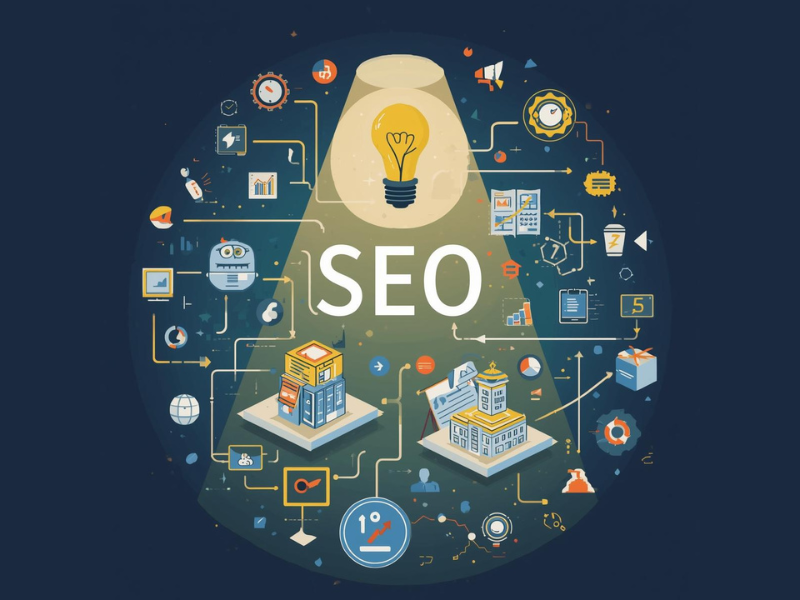
As useful as SEO is, it has its frustrating side. The biggest challenge is patience. SEO takes time. There is no instant reward. You publish content and wait. Sometimes it feels like shouting into the void, especially in the beginning.
Algorithm changes are another issue. Search engines update their systems regularly. Sometimes rankings improve , sometimes they drop for no clear reason. This uncertainity can be very stressful, especially if natural search traffic is a major part of a business.
SEO also requires consistency. You cannot just set it up once and forget it later. Content needs updates, broken links need fixing, and performance needs tracking. Without ongoing effort, results can fade. Competition is another reality. Some industries are just so noisy that ranking them feels like impossible. Large websites with years of authority often dominate the top results, making it hard for newer sites to get noticed. SEO is still one of the best moves you can make. The secret is just accepting that it takes time to see real progress it’s definitely not an overnight thing.
What Are the Crucial Role of SEO?
SEO plays a crucial role in timing. It puts information in front of people exactly when they need it. That timing makes all the difference. Instead of convincing someone they have a problem, SEO reaches them when they already know they do.
One of the major role of SEO is seeing clarity. Good content has no impact if no one can find it. SEO ensures that content does not get lost in the noise.
SEO also supports the customer journey. People search differently depending on where they are in their decision-making process. Some people are just learning, some people are comparing and some people are ready to act. SEO helps guide users naturally from one stage to the next.
Another important role understands the audience. SEO research shows people ask questions and how they express them. To communicate more clearly and make content more relevant, businesses should utilize these insights. When you consistently help people out through SEO, your site stops being just a link and starts being the reliable source they actually count on. That trust compounds and continues to pay off long after the content is published.
Where to Start With SEO?
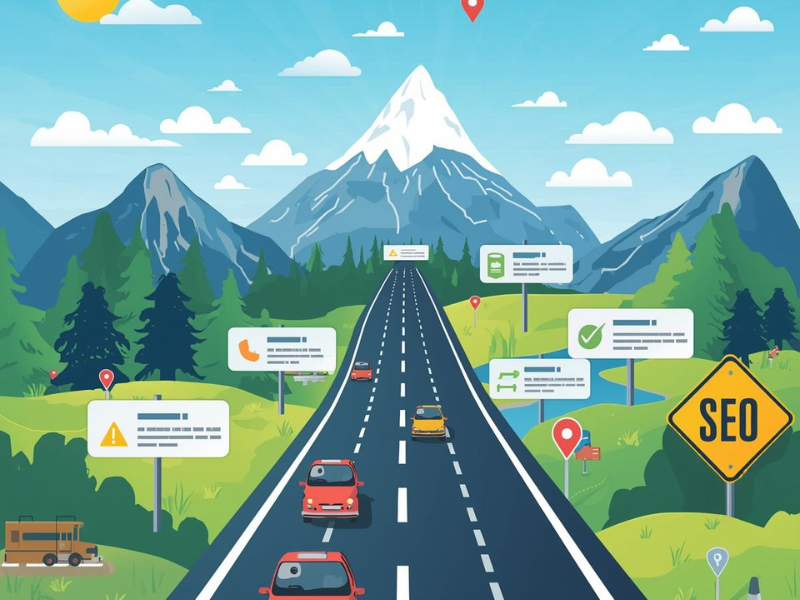
You don’t need a massive budget or a degree to start SEO. It really just starts with being a good listener. If you can get what keeps your audience up at night and what they’re actually typing into that search bar, you’ve already cleared the biggest problem.
Next up is keyword research. Don’t use a high volume keyword to create a traffic you will create a audience which are not be interested in your business. Instead use necessary keyword which will get you the audience who are interested in your business. They’re way easier to rank for and bring in much better traffic.
A great starting point is on-page SEO is just focus on writing clear titles, using headings naturally, and making sure your content is a breeze to read.. Do not write for algorithms. Write for people.
Technical basics matter too. A slow website or poor mobile experience can hurt everything else. Fixing these issues creates a strong foundation. Most importantly, stay consistent. SEO rewards patience and effort over time. Small improvements add up.
FAQS
What is SEO, really?
SEO is simply about helping people find your website when they’re already searching for something related to what you offer.
Why does SEO matter so much today?
Because most of us Google things before making decisions, and SEO helps you show up at that exact moment.
Does SEO give fast results?
No, SEO is slow, but the results tend to last much longer once they start showing up.
Is SEO better than paid ads?
SEO feels more sustainable since your content can keep bringing visitors without you paying for every click.
Can a beginner actually do SEO?
Yes, if you can understand your audience and write honestly to help them, you can start SEO without any technical background.